District heating optimisation, redesign and commissioning
 Anticipated annual cost-savings of 60-70%
Summary
Bristol University has a long history of action on sustainability and has several teams working on sustainability activities, including the Estates Sustainability Team.
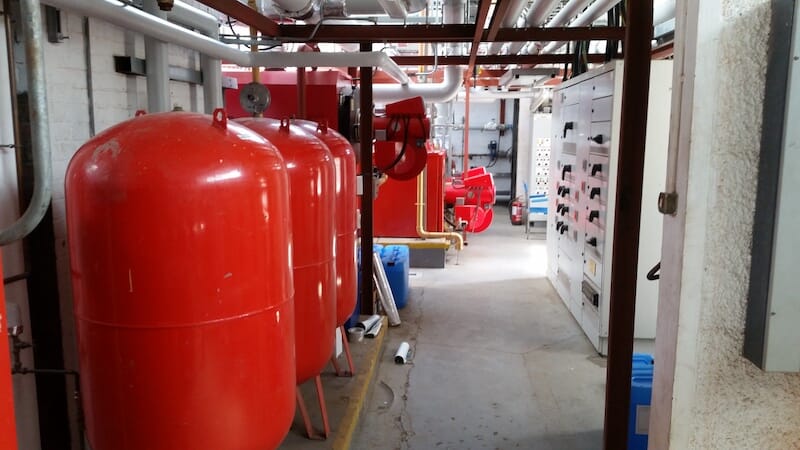
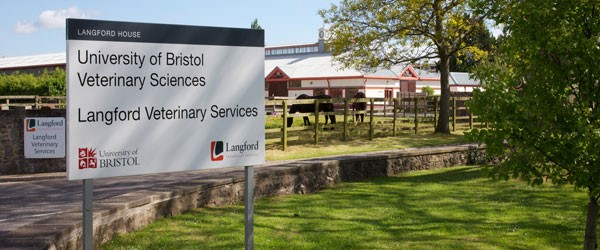
The University’s district heating system (DHS) at its Langford Campus serves a high percentage of the buildings including research and accommodation plus common areas with two independent energy centres for primary thermal energy for space and domestic hot water.
The challenge
The Sustainability Team knew the system to be inefficient and wanted to know:
- The least-cost path to using the thermal store better.
- How to best serve underutilised buildings.
- If increased efficiency could be achieved by linking two networks.
- If biomass could be cost-effectively integrated into the mix
The solution
JRP was commissioned to carry out a forensic study to reliably deliver the required objectives and provide a firm foundation for making all future decisions about the DHS The study resulted in recommendations for cost-effective solutions to improve and/or rectify problems based on prioritised works with budget costs identified TGC then redesigned the DHS based on its recommendations and supervised the progressive commissioning
Results
The cost of progressive implementation of the new design was more than covered by the value of the immediate energy savings and it is expected that annual cost-savings of 60-70% will be achieved.
For more information, request the full case study below.
REQUEST THE FULL CASE STUDY
Enter your details to get access to the full case study
We are offering downloads of our full case studies to energy and sustainability professionals involved in any stage of their organisation’s energy or sustainability journey. If you would like to receive a copy of this case study, simply request your download here.
"*" indicates required fields