Environmental life cycle review
The report presented valuable data that demonstrated the benefits of dyeing rather than buying new which enabled Henkel to launch its ‘Re-Dye don’t Re-Buy’ initiative to help the textile industry lower its carbon emissions.
Services provided
Environmental life cycle review: fast fashion versus DYLON fabric dyes
Summary
JRP was commissioned by The Henkel Group to undertake a review of published Life Cycle Assessment (LCA) information to determine the environmental impact of buying selected new clothes and household textiles, compared to the Life Cycle Assessment impact of using DYLON Machine Dye to re-dye existing garments, instead of buying new ones
Approach
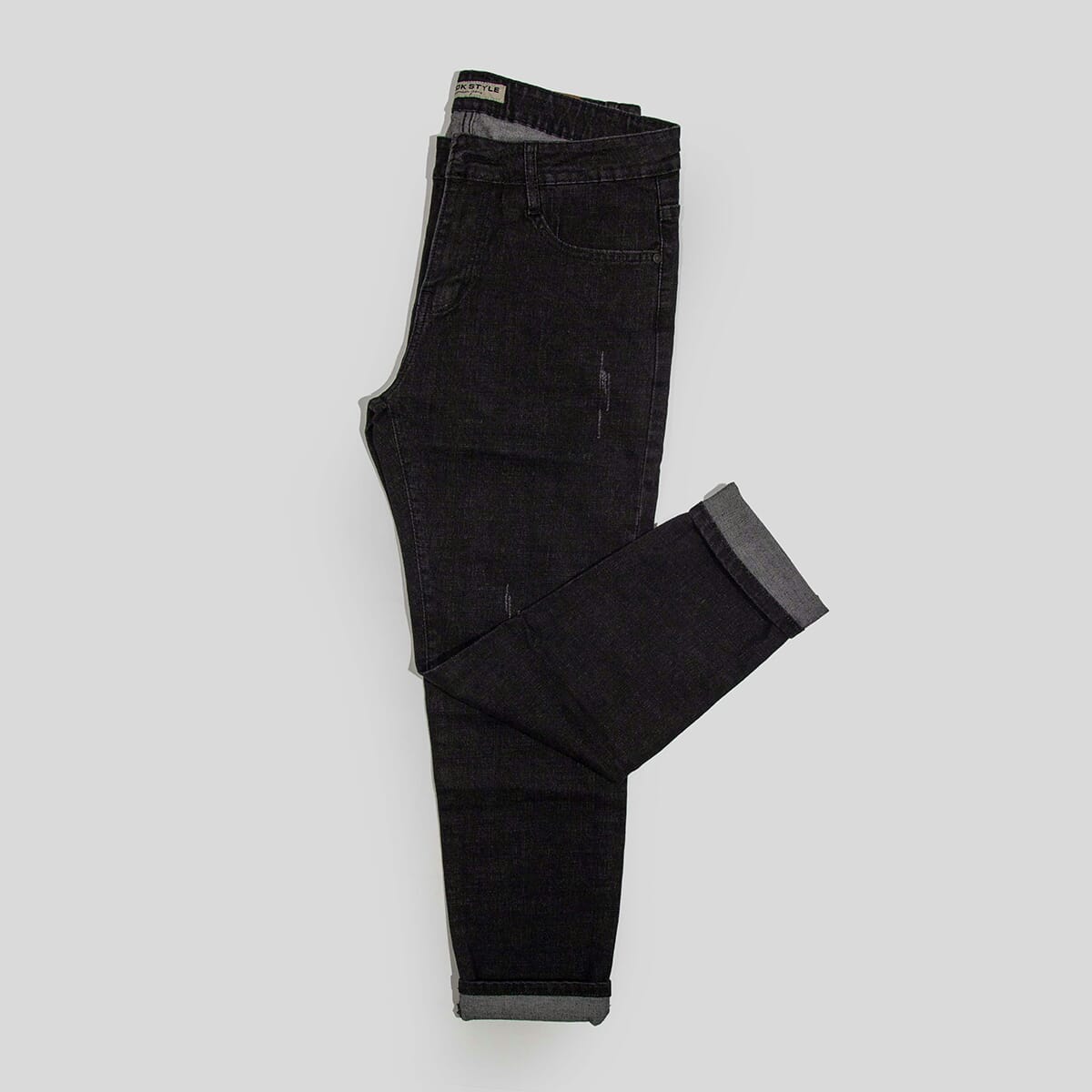
For the fashion review, the report looked at the most popular types of clothes in the UK and Ireland: jeans, t-shirts, trousers, and also household items like bed linen From DYLON, which is produced by Henkel, the report looked at Intense Black Machine Dye and Navy-Blue Machine Dye, two of the top-selling dyes from the range The study required the development of a bespoke life-cycle assessment for the machine dyes, obtaining information from each of Henkel’s UK and European manufacturers and suppliers.
Results
The report presented valuable data that demonstrated the benefits of dyeing rather than buying new. Redyeing a pair of black jeans, for example, saves nearly 20 kilograms of carbon dioxide over buying a new pair. This equates to a significant impact when you consider that there are 70 million pairs of jeans sold in the UK every year.
For more information, request the full case study below.
REQUEST THE FULL CASE STUDY
Enter your details to get access to the full case study
We are offering downloads of our full case studies to energy and sustainability professionals involved in any stage of their organisation’s energy or sustainability journey. If you would like to receive a copy of this case study, simply request your download here.
"*" indicates required fields