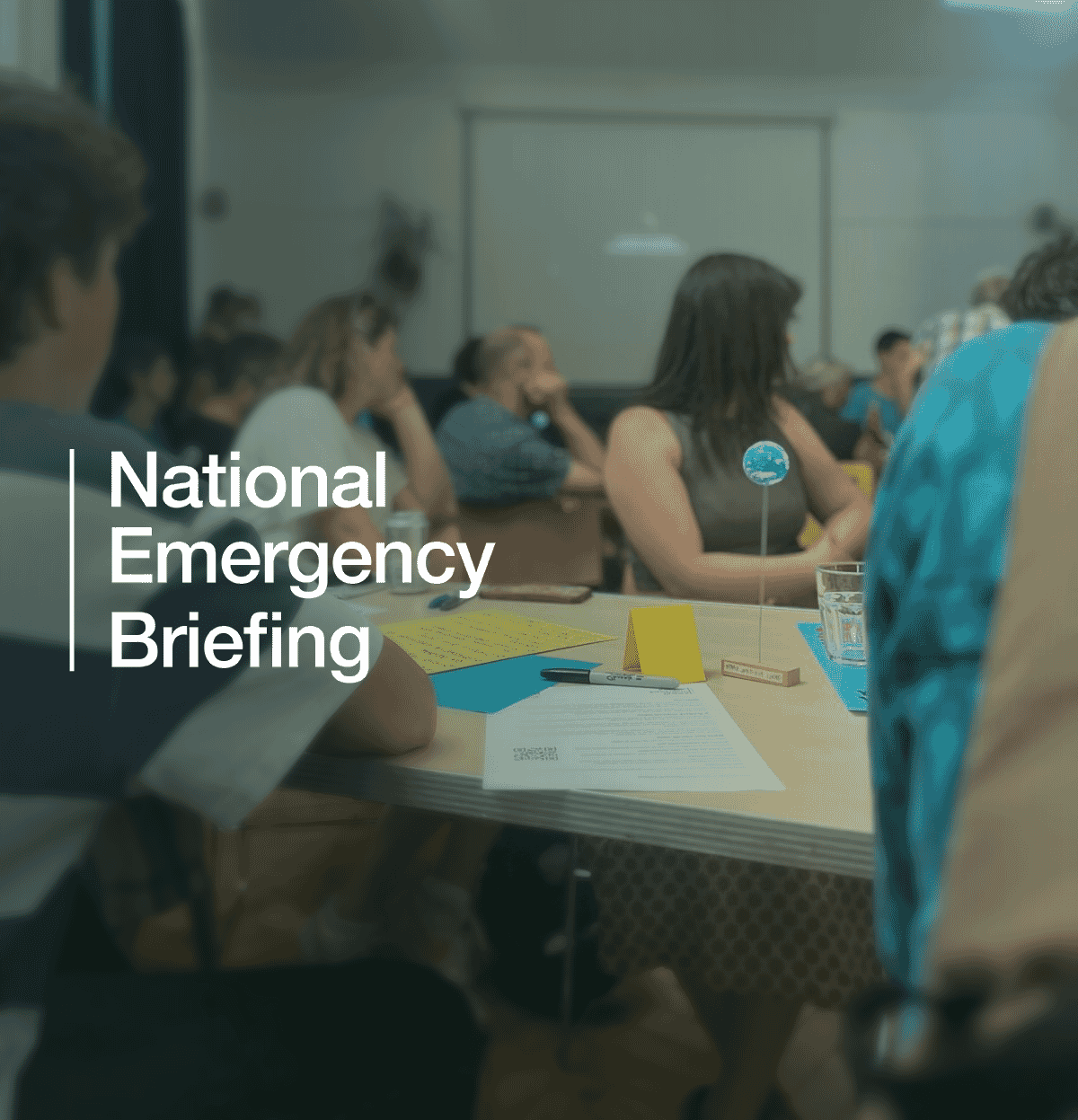
Calls grow for a televised climate emergency briefing as The People’s Emergency Briefing gains momentum
The campaign centres around The People's Emergency Briefing – a new 50-minute documentary bringing together nine leading experts to explain how climate change and ecological decline are already affecting the UK, and what must happen if the country is to adapt to an increasingly uncertain future. It is being described by campaigners as the UK's biggest climate engagement initiative of the year, and potentially one of the most significant public awareness campaigns ever launched on the issue.
Naturalist and broadcaster Chris Packham, who features in the film, argues that climate change should be treated with the same seriousness as any other national emergency, calling for a prime-time televised emergency briefing to ensure every household has access to the information they need.
The timing is particularly significant. As temperatures continue to climb across the UK, the impacts of climate change are becoming harder to ignore. Extreme heat, flooding and severe weather are no longer distant possibilities – they are increasingly becoming part of everyday life.
However, the film's message goes far beyond rising temperatures. It explores the profound consequences a changing climate could have on every aspect of society, from our health, food systems and national infrastructure to security, biodiversity and the natural environments on which we all depend. It challenges viewers to consider what an increasingly unstable climate could mean not only for ourselves, but for our children, grandchildren and future generations.
One of the film's most striking findings highlights a growing disconnect between the public and politics. According to the campaign, 85% of people in the UK support action on climate change, yet 78% of MPs believe they do not have sufficient public backing to take stronger action. If those figures are accurate, it suggests there is a significant gap between public opinion and political perception.
Campaigners argue that closing this gap begins with better public understanding. The more people understand the risks, the greater the confidence policymakers may have to introduce the measures needed to build a more resilient future.
For those of us working in sustainability, many of these issues are already a daily reality. We regularly see organisations grappling with overheating buildings, rising energy demands, climate-related business disruption, supply chain risks and the growing need to adapt infrastructure for a changing climate.
Yet much of the wider public has not had the opportunity to see the full picture in an accessible, evidence-led way. The People's Emergency Briefing seeks to change that. For organisations, greater public awareness could have implications that extend far beyond the screen.
Why this matters for organisations
For many sustainability and energy professionals, one of the biggest challenges isn't identifying opportunities for improvement – it's securing the organisational buy-in needed to act on them.
When climate change becomes part of the national conversation, it becomes easier for business leaders to recognise it as a strategic issue rather than solely an environmental one. Greater public understanding can help bring climate resilience, resource efficiency and long-term risk management higher up the boardroom agenda, making it easier for sustainability professionals to secure executive support for initiatives that may previously have struggled to gain traction.
If initiatives such as The People's Emergency Briefing encourage wider political attention and public engagement, they could help create an environment where organisations feel more confident investing in resilience, planning for climate risks and accelerating sustainability programmes. Over time, greater public support could also encourage stronger policy direction, clearer regulatory frameworks and increased investment in climate resilience across both the public and private sectors.
For sustainability professionals, that could mean spending less time convincing stakeholders that climate risks matter, and more time delivering practical solutions that strengthen their organisations for the future.
As an energy and sustainability consultancy, we see first-hand how organisations are already adapting to rising temperatures, changing regulations and increasing climate risks. While every organisation's journey will be different, one thing is becoming increasingly clear: understanding climate risk is no longer a future consideration – it's part of good business planning today.
Whether you agree with every conclusion or not, The People's Emergency Briefing raises important questions about the future of the UK and the choices we face as individuals, organisations and policymakers.
For businesses, understanding those challenges is becoming increasingly important. Building climate resilience is no longer simply about environmental responsibility – it's about protecting people, operations, assets and long-term business performance in a changing world.
If you have the opportunity to attend a local screening, it's well worth taking the time to watch. Understanding the challenges ahead is the first step towards preparing for them and helping ensure climate resilience becomes a strategic priority rather than a reactive response.
Seen the film?
If you're ready to strengthen your organisation's climate resilience and turn awareness into action, book a no-obligation conversation with one of our specialists to discuss where to start.